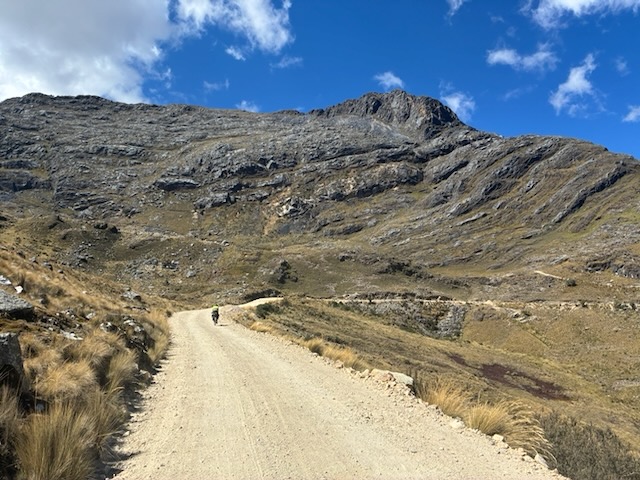
Peru is home to 90 micro climates, over a 1000 species of potatoes, and some of the best riding you can possibly do. From desert, coast, jungle and high towering mountains, Peru will definitely keep you entertained for endless kilometres. And this doesn’t even include the countless cultural differences in each village and region.
I’ve spend 82 days cycling through this incredible country and I’ve still only scratched the surface of what Peru has to offer, but one thing is very clear:
There is so much more than just Machu Picchu.


About Peru
A country bordering Ecuador to the north, Brazil to the east, Bolivia and Chile to the south, and the Pacific Ocean to the west. Through the centre runs one of the most impressive mountain ranges on Earth: the Andes
It is exactly these mountains that make Peru such a diverse and interesting country. They divide Peru in completely different worlds. From coastal deserts to snow covered freezing peaks.
These changes in climate and scenery sometimes happen slowly and gradually but often also happen almost instantly. In my opinion there is no better way to experience these changes than on a bicycle.
The route I made took me from North to South, and I have ridden on coastal roads with, what seemed like, an endless headwind, turning into the the green and tropical foothills of the andes before reaching summits close to 5000m where you’re surrounded by alpaca’s and condors. And just when you think you’ve seen it all, Peru changes again.
More than Machu Picchu
On my first visit to Peru, almost three years ago, I followed the main backpacker highlights. Lima, Ica, Machu Pichu, Cusco and Arequipa. With Machu Pichu being one of the most famous sights in the world, I thought I had seen a lot of Peru already.
Now, having ridden the small roads connecting the major cities I realise there is so much more to discover. Bikepacking through Peru shows you the hidden Inca ruins, small mercado’s in villages and the local breakfast places on the plaza in the middle of a small town.
There are massive mountains and dirt roads to discover near Huaraz, crystal clear mountain lakes in a sheltered valley and herds with hundreds of Alpacas roaming the lands.
Peru is so much more than just the main destinations, its real appeal is the roads connecting them.


The Peru Great Divide
I’ve written about this legendary route already but it is one of the magical routes connecting everything that Peru has to offer. Starting in Huaraz and ending in Albancay you get to see the scenery change little by little. For me, this formed the core of my trip through Peru and potentially all of South America.
You climb endlessly towards mountain peaks, descent for hours, spend nights at lakes with nothing but stars around you and start riding again after defrosting in the sun. Lunches are sometimes in small villages, consisting of eggs and rice and more often on the road.
It is a brutal route at times but it does show you exactly what life in the Andes is like. Unforgiving but incredibly beautiful at the same time. Somewhere on this route through the mountains Peru stopped being just a country and turned into a place I feel a very strong connection with.
Would I recommend bikepacking in Peru?
After 82 days and nearly 3000km I can only be enthusiastic about Peru. It might not be for everyone though. It is at times very lonely, and food variety is scarce outside of bigger cities. You have to deal with high altitudes, extreme cold and warm weather, wind, and potentially rain in the mountains.
But, it will give you some of the most spectacular riding anywhere in the world. If you keep open minded you’ll meet some of the friendliest people and when you are tired and roll into a small village, there will always be a small hospedaje with a bed above a small store.
Practical notes on Peru
To make the most of Peru I would recommend learning basic Spanish, it makes interactions a lot easier because you will end up in places where English doesn’t exist. I’d also highly advise bringing a warm and good sleeping bag, nights can, and will, reach -10c up high.
Gas canisters are available in Huaraz but I’d recommend either a gasoline stove, or an alcohol stove. Both fuels are widely available.
Always check the seasons and local weather conditions. Especially in the Andes the weather can turn quickly. The same goes for road conditions and landslides. Riding in Peru is truly incredible but flexibility to adapt is very important.
So should you be bikepacking in Peru? Yes. The only downside is that after riding here, nothing else compares anymore.


Leave a Reply